

An accrual, on the other hand, is an expense that has been incurred but not yet paid, such as goods that have been received but are awaiting payment. The treatment of encumbrances at the end of the fiscal year is a procedural element. This process depends on whether the underlying appropriation authority is designated as lapsing or non-lapsing. After the vendor accepts the purchase order and delivers the goods or services, the purchasing organization becomes liable to make the payment. A lien is a type of security interest—an encumbrance that affects the title to a property.
- Because you’ll be purchasing the equipment in the next quarter, you’ll want to set aside or encumber the funds needed to prevent them from being spent elsewhere.
- Or it might be a zoning regulation that prohibits you from building a structure you’d hoped to have.
- Until the goods or services are received, the encumbrance is merely a designation of funds for a future planned expense.
- Total fund balance must be classified into one of the five possible categories described above at the end of each year.
- GASB standards emphasize budgetary control and the need to report on the use of public funds, which encumbrance accounting directly supports.
Scenario 2: Actual Expenditure Occurs
- The accounting policy choice on which resources are used first can significantly affect how balances are reported.
- Encumbrances should be monitored regularly to ensure accurate tracking of financial commitments.
- This allows organizations to reserve portions of their budget in advance to prevent overspending.
- The auditor will also need to conduct a review of current governmental funds, particularly special revenue funds.
- Now that we have explored the benefits of encumbrance accounting, let’s consider its limitations.
- The core distinction is that an encumbrance is a financial tool for controlling the budget, not a recognition of an expense or a liability.
In turn, automation will increase financial transparency, provide accurate financial reporting, and increase financial planning accuracy. To record the encumbrance, you’ll need to complete the following encumbrance accounting processes by recording the following journal entries. Encumbrance accounting can be a helpful way to tighten budgetary control and prevent overspending. We’ll explain what they are, discuss how encumbrance accounting works, and explore best practices for encumbrance accounting managing encumbrances in your own business to prevent overspending and improve visibility. The third stage, which happens simultaneously with the reversal, is the recording of the actual expense and the related liability. If the invoice arrives for exactly $9,950, the entity records the actual expenditure.

Encumbrance Accounting Journal Entries
By incorporating encumbrance accounting practices, organizations can optimize their financial resources and foster financial stability and success. At the end of the fiscal year, year-end encumbrances become a critical aspect of government budgetary control and financial management. Encumbrances represent commitments for goods or services that have not yet been delivered or paid for, and these obligations often extend into the next fiscal period.
Journal Entry for Adjustments or Cancellations
- Budgetary accounting in government, particularly involving encumbrances and appropriations, offers rich case studies that highlight best practices and common pitfalls.
- This system also enhances transparency, providing a detailed account of committed funds and helping stakeholders understand the government’s financial position regarding future expenditures.
- This two-part approach ensures that the budget control function is separated from the legal liability function.
- Later, when a purchase order or purchase requisition is processed, the original entry will be reversed, with the actual expense posted to the appropriate GL accounts.
This assets = liabilities + equity framework is predominantly mandated for governmental entities and is frequently adopted by non-profit organizations. The primary objective of fund accounting is accountability and the demonstration of compliance with legal and contractual restrictions. The encumbrance accounting entry is done for funds set aside for future expenses that are liable to be paid. These expenses have not been billed yet, but money has been set aside from the company’s budgets. An encumbrance represents a commitment or a reservation of budget authority within an accounting system. This mechanism signals that a portion of the available budget has been set aside for a specific future expenditure.
By creating encumbrances, organizations can set aside funds for specific expenses, allowing for better planning, control, and accountability. Overall, encumbrance accounting serves as a crucial tool for effective budget management, accurate financial reporting, informed decision making, and maintaining financial control and accountability. By utilizing encumbrance accounting practices, organizations can optimize their financial resources, enhance transparency, and foster fiscal responsibility. Budgetary accounting in government involves tracking and managing financial resources to ensure that public funds are used efficiently and effectively.
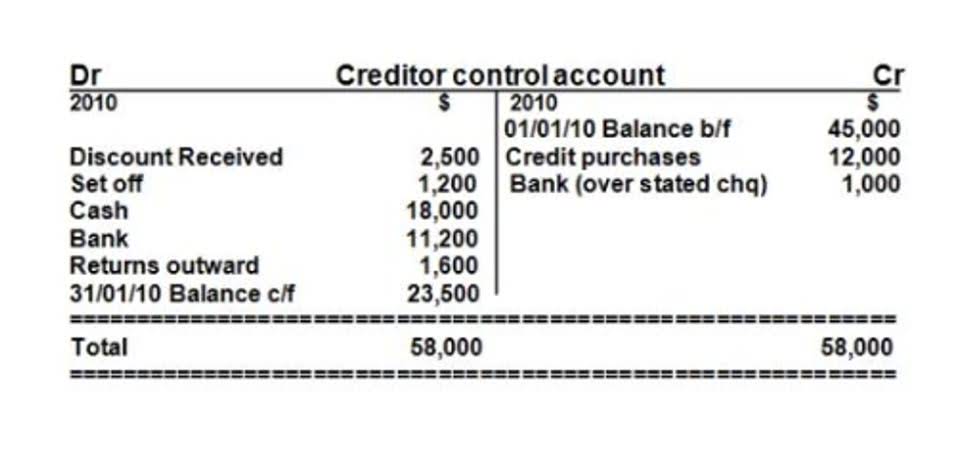
Recording and Reporting Encumbrances
When an encumbrance is created, an encumbrance account is debited to set aside the required funds. Then, when the actual expense is incurred and paid, the encumbrance is reversed (i.e., the encumbrance https://www.bookstime.com/ account is credited), and the actual expense account is debited. Budget documents play a central role in encumbrance accounting by providing the framework for authorized spending.